
Our Services

Individual Therapy
Point Wellness Co. provides personalized, one-on-one sessions with an experienced, compassionate licensed clinical therapist utilizing a variety of counseling methods in order to best address personal challenges, enhance self-awareness, and promote emotional well-being.
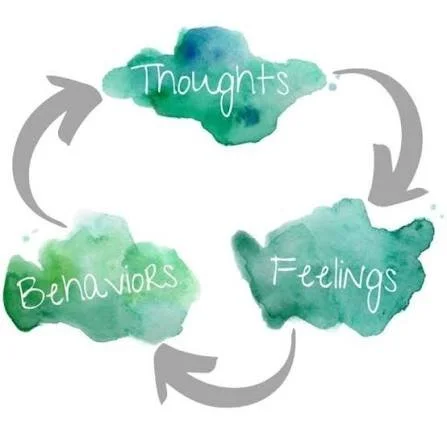
Through a collaborative approach, clients have the opportunity to explore their thoughts, feelings, and behaviors in a safe and confidential environment, allowing them to work towards meaningful personal growth and positive change.




Group Therapy
Group therapy involves structured sessions where participants meet with a licensed clinical therapist and peers facing similar challenges. This supportive environment allows individuals to share experiences, gain insights, and develop coping strategies while fostering a sense of community and connection. Through guided discussions and therapeutic activities, group therapy helps improve social skills, build resilience, and promote mental and emotional well-being.

Family Therapy
Family therapy is a type of psychotherapy that involves working with families to address emotional, behavioral, and relational issues, helping them understand, communicate, and support each other better. The goal is to enhance family dynamics, foster healthy relationships, and facilitate problem-solving strategies, often involving all family members in the therapeutic process.
Medication Management

Common Conditions We Treat:
Anxiety

ADHD
Mood Disorders
Depression
Autism Spectrum Disorder
Medication management in children, adolescents, and young adults can be a priceless tool when addressing mental health disorders. It aims to improve symptoms, enhance functioning, and support the overall well-being of young individuals, enabling them to thrive in their daily lives.
Medication management involves the careful oversight and coordination of psychiatric medications. Given the unique developmental, psychological, and physiological needs of younger populations, medication management in these age groups requires special consideration.
Assessment: The process begins with a comprehensive assessment that includes evaluating mental health history, symptoms, family dynamics, and developmental stage. This assessment will also involve input from parents, teachers, or other caregivers to gain a holistic understanding of the individual’s functioning.
Medication Selection: When selecting medications, we consider the specific mental health condition, age, weight, and overall health of the young person. They will also factor in the potential for side effects, as children and adolescents can respond differently to medications than adults.
Dosage and Administration: Determining the correct dosage is critical, as children and adolescents may require different dosages than adults due to their developing bodies. Education about how to take medications correctly, including any special instructions, is essential for both the young person and their caregivers.
Monitoring: Regular monitoring is vital to evaluate the effectiveness of the medication and to identify any side effects. This may include scheduled follow-up appointments to assess symptoms, conduct mental health screenings, and check in on the patient’s overall well-being.
Adjustment: As children and adolescents grow, their medication needs may change. We are prepared to adjust dosages or change medications based on developmental progress, response to treatment, and any emerging issues.
Education and Support: Providing education to both the patient and their caregivers is crucial. This includes discussing the purpose of the medication, potential side effects, and the importance of adherence to the prescribed regimen. When appropriate, parents and caregivers are always involved in the medication management process
Collaboration: Collaboration among mental health professionals, pediatricians, parents, and schools is essential for comprehensive care. This team approach helps ensure that all aspects of the young person's mental health are addressed and that the treatment plan aligns with their educational and social needs.
Consideration of Non-Pharmacological Interventions: Medication management for young individuals should always complements non-pharmacological approaches, such as therapy (e.g., cognitive-behavioral therapy, play therapy) and lifestyle modifications (e.g., nutrition, exercise), which can enhance overall treatment effectiveness.

Autism Consultations
ADOS-2 Testing with Jackie Anderson, SLP- Dr. Thomas Priolo
Our Comprehensive Evaluation Process
We take a collaborative approach to autism assessment, because no single test can tell the whole story.
1. ADOS-2 Assessment
Your child participates in developmentally appropriate activities designed to assess communication, social interaction, play, and related behaviors with our SLP.
2. Comprehensive Speech & Language Evaluation
Our Pediatric Speech-Language Pathologist evaluates your child's communication skills, including receptive and expressive language and social communication.
3. Medical Evaluation
Following testing, families meet with our Medical Director to review the findings and determine the appropriate diagnostic conclusions and next steps.
4. Detailed Results & Recommendations
Families receive a comprehensive report outlining evaluation findings, individualized recommendations, and resources to support their child's development.


When behavior feels bigger than “ just a phase,” it can be hard to know what to do next.
Dr. Laura Lyons, BCBA-D provides behavioral consultation for children and families experiencing challenging or disruptive behaviors. She workds with families to understand what may be driving the behavior and develops practical, individualized strategies that can be used at home, at school and in everyday life.
Behavioral consultations can be especially helpful for concerns such as:
tantrums & emotional outbursts
difficulty with transitions
emotional regulation
executive functioning skills
routines, sleep & toileting challenges
school-related behaviors
social and communication concerns
Behavioral Consultations
Dr. Laura Lyons,BCBA-D- Evaluations & Therapy
Nutrition Consultations


Nutritional assessment and planning involves evaluating the dietary needs, nutritional status, and health of children and adolescents. This process includes gathering information about an individual's eating habits, lifestyle, growth patterns, and medical history. Based on this assessment, personalized nutrition plans are developed to promote healthy growth and development, address specific dietary concerns, and encourage lifelong healthy eating habits. The goal is to support overall well-being and prevent nutrition-related issues in youth, taking into account their unique physiological and psychological needs.